Anti-Counterfeit Labels for Alcohol and Beverages
Anti-counterfeit solutions for the alcohol industry: methanol risks, counterfeiting reality, QR code implementation, and consumer protection strategies.
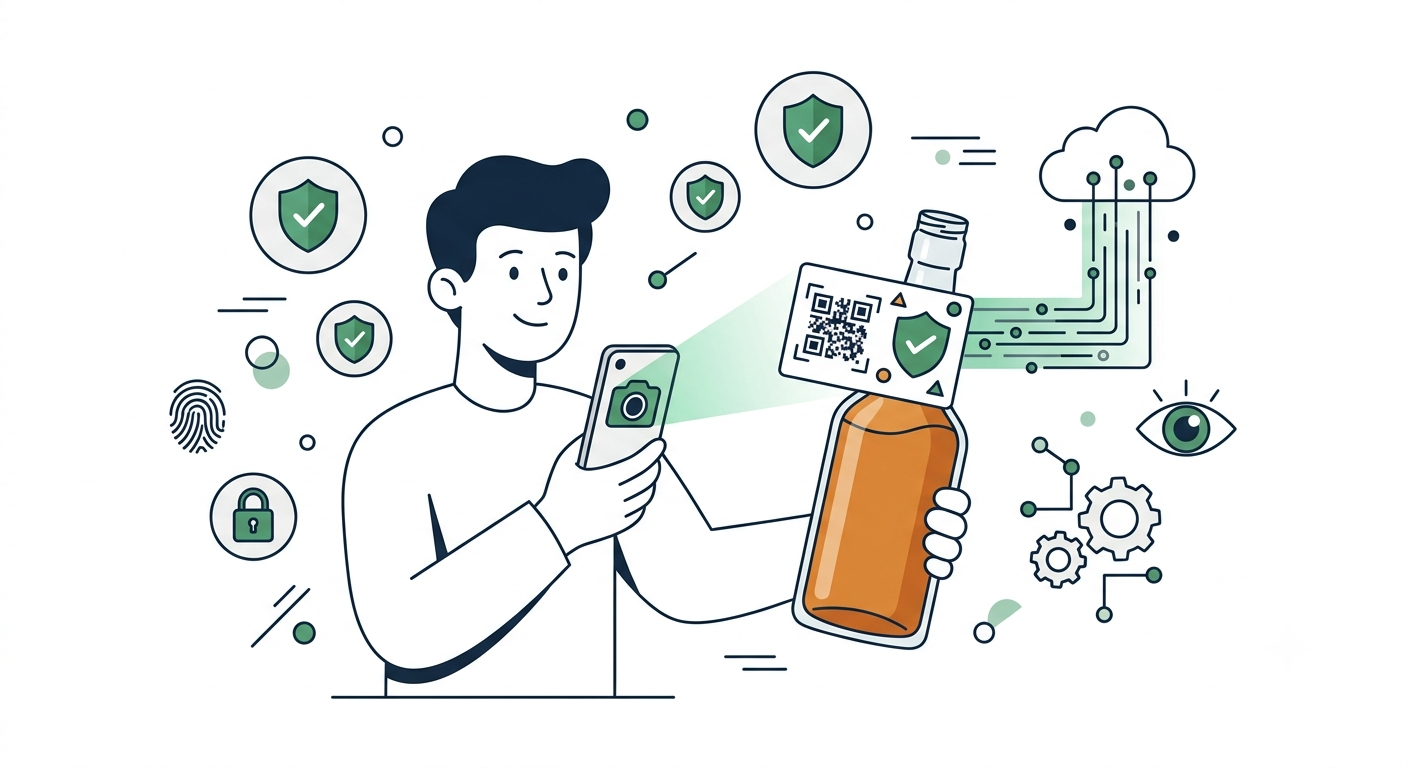
Anti-Counterfeit Labels for Alcohol and Beverages
Counterfeit alcohol is one of the most dangerous types of fake products. Beyond economic losses for businesses, fake alcohol containing methanol can cause blindness, liver failure, and even death. Anti-counterfeit labels for alcohol are essential protection for both brands and consumers.
Risks from Counterfeit Alcohol
Methanol — The Silent Killer
Counterfeit alcohol often substitutes methanol for ethanol:
- Causes blindness: Methanol converts to formic acid, destroying the optic nerve
- Liver and kidney failure: Damages internal organs
- Death: Just 30-100ml of methanol can be fatal
- Delayed symptoms: Victims don’t know they’ve consumed methanol until it’s too late
Reality in Vietnam
- Counterfeit alcohol accounts for 15-25% of Vietnam’s alcohol market
- Well-known brands are the most counterfeited
- Fakes are sold at bars, convenience stores, and markets
- Counterfeit imported spirits are rampant, especially without invoices
How Alcohol Is Counterfeited
Collecting Authentic Bottles and Boxes
Counterfeiters buy used authentic bottles and boxes, clean them, and fill them with fake alcohol. The packaging and labels are completely genuine, but the contents are fake.
Copying Labels and Seals
Reprinting labels and anti-counterfeit seals (holograms, SMS labels) at high quality. Fake labels look identical to real ones — consumers can’t tell the difference.
Mixing Fake Alcohol
- Blending industrial alcohol (methanol) with water and flavorings
- Mixing real and fake alcohol to reduce costs
- Using industrial dyes and flavorings for color and aroma
Counterfeiting Caps and Seals
Creating fake bottle caps and seals. Some tools can remove caps without leaving marks, allowing refilling and recapping.
QR Code Solutions for Alcohol
Security Principles
QR code labels for alcohol need higher security than other industries:
- Label inside the cap: Scan after opening, confirming the bottle hasn’t been opened
- Destructible labels: Break when peeled, cannot be transferred to another bottle
- QR code + hologram: Combining physical and digital security
- Scan limit: Detect when codes are being copied
Optimal Label Placement
Bottled Spirits
- Under the cork/cap: Must open to see the label
- On the seal: Label breaks when seal is removed
- On the back label: Combined with inside-cap label
Boxed Products
- On the box seal: Label breaks when box is opened
- Inside the box: Separate labels for bottle and box
Beer (Cans/Bottles)
- On the can lid: Printed directly or with label
- On the bottle label: Small QR code label
Consumer Verification Process
- Scan the QR code on the bottle/box
- System displays verification results
- If authentic: Shows product details, batch number, production date
- If previously verified: Warning that the bottle has been opened
- If invalid: Warning of counterfeit product
Information Displayed After Scanning
- Verification result
- Product name, alcohol content, volume
- Batch number, production date
- Guide to identifying genuine products
- Hotline for reporting counterfeits
Benefits for Alcohol Businesses
Consumer Health Protection
- Reduced methanol poisoning incidents
- Increased brand trust
- Reduced legal liability when incidents occur
Revenue Protection
- Counterfeit alcohol sold cheaper takes market share → Labels help consumers distinguish
- Distributors are more confident
- Reduced losses from counterfeits
Distribution Management
- Track bottles from factory to retail
- Detect unauthorized cross-regional transfers
- Effective distributor management
Regulatory Compliance
- Meet government anti-counterfeit label requirements for alcohol
- Legal basis for enforcement actions
- Cooperation with regulatory authorities
Conclusion
Anti-counterfeit labels for alcohol don’t just protect brands — they protect consumers’ lives. Given the methanol risks from counterfeit alcohol, QR code anti-counterfeit labels are an essential solution helping consumers quickly distinguish genuine from fake. QRS provides specialized anti-counterfeit solutions for the alcohol industry with high security and supply chain management capabilities.
Found this helpful?
Explore more articles on this topic