Anti-Counterfeit Labels for Cosmetics
Anti-counterfeit solutions for the cosmetics industry: counterfeiting reality, consumer risks, QR code label implementation, and benefits for cosmetics brands.
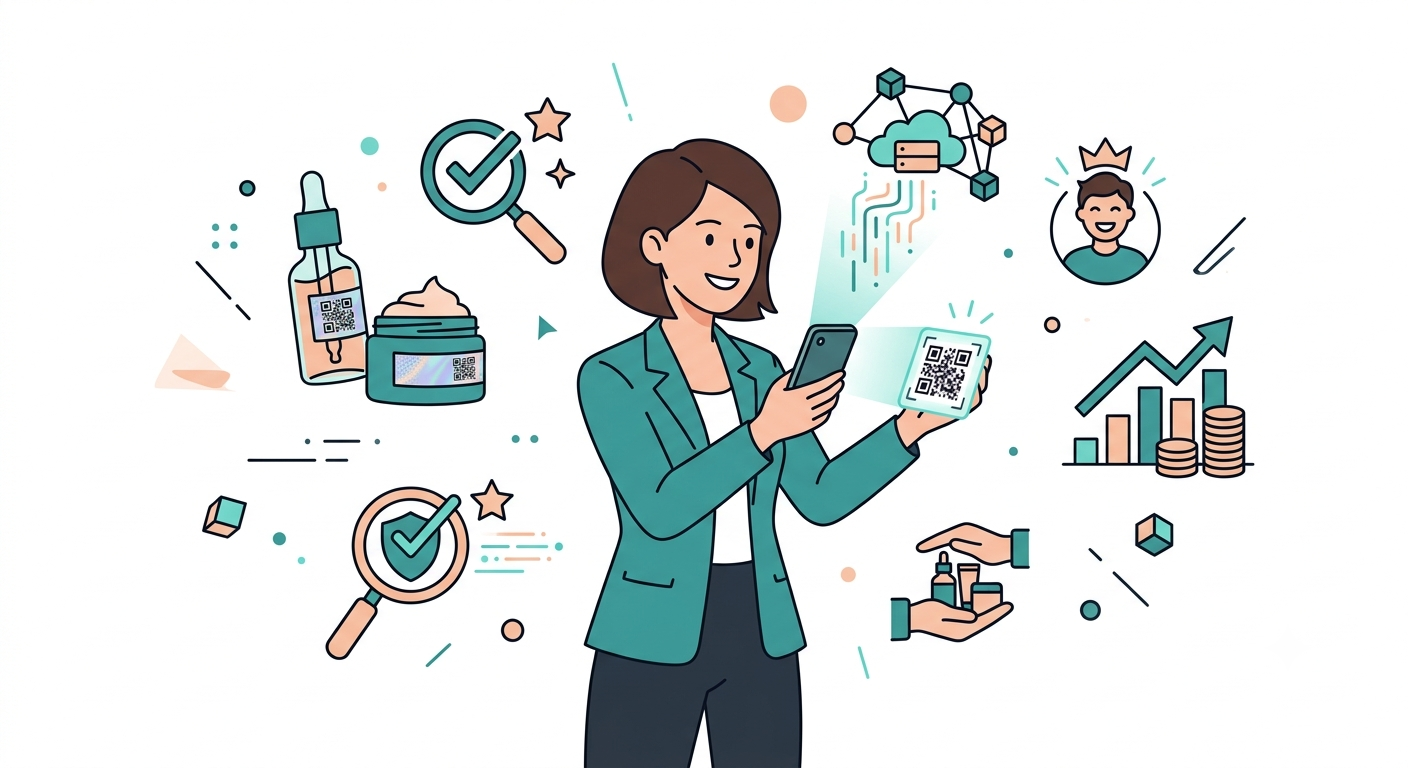
Anti-Counterfeit Labels for Cosmetics
The cosmetics industry is one of the most counterfeited sectors worldwide. According to OECD reports, cosmetics account for approximately 10% of all global counterfeits. In Vietnam, fake cosmetics flood e-commerce platforms, social media, and physical stores. Anti-counterfeit labels don’t just protect brands — they protect consumer health.
Counterfeiting Reality in Vietnam’s Cosmetics Market
Alarming Numbers
- Counterfeit cosmetics represent 15-20% of Vietnam’s cosmetics market
- 70% of fake cosmetics are sold via social media and e-commerce
- Most counterfeited brands: Korean, Japanese, European
- Counterfeit prices are typically 40-70% cheaper than authentic products
Where Are Counterfeits Most Common?
- Shopee, Lazada, TikTok Shop: Many sellers use real product photos to sell fakes
- Facebook, Instagram, TikTok: Ads for counterfeit products at low prices
- Small cosmetics shops: Mixing genuine and fake products
- Unverified distributors: Sourcing from unclear origins
How Dangerous Are Counterfeit Cosmetics?
Fake cosmetics contain unknown ingredients:
- Heavy metals: Lead, mercury causing allergies and cancer
- Bacteria: Produced in unsanitary conditions
- Banned chemicals: Bleaching agents, steroids that thin the skin
- Wrong pH levels: Causing dry skin, irritation, dermatitis
Anti-Counterfeiting Challenges in Cosmetics
Diverse Products and Versions
Cosmetics come in many product lines, colors, and sizes. Counterfeiters typically copy best-selling products, creating multiple fake versions.
Easy-to-Copy Packaging
Cosmetic packaging is usually beautifully printed, but modern printing technology makes counterfeiting relatively easy. Boxes, bottles, and labels can all be replicated.
Consumers Can’t Tell the Difference
Counterfeit cosmetics are increasingly sophisticated:
- Boxes and bottles identical to genuine products
- Similar fragrances
- Texture (consistency) hard to distinguish
- Only the internal ingredients differ
Complex Multi-Channel Distribution
Cosmetics are sold through many channels: authorized dealers, retail stores, e-commerce, social media. Controlling counterfeits across each channel is a major challenge.
QR Code Label Solutions for Cosmetics
How It Works
- Each cosmetic product gets a unique QR code label
- Consumers scan the code before or after purchase
- The system verifies instantly and displays product information
- Businesses track scan data to detect counterfeits
Special Requirements for Cosmetic Labels
- Material: Labels must be water-resistant and oil-resistant (cosmetics often contain oils)
- Size: Small labels to fit cosmetic bottles and boxes
- Aesthetics: Labels shouldn’t detract from product packaging
- Position: Easy to see and scan
Optimal Label Placement
- On the cap: Visible, hard to remove without leaving traces
- On the bottle body: Back or side of the label
- On the seal: Label breaks when product is opened
- Inside the box: Separate label visible only when opened
Benefits for Cosmetics Brands
Consumer Protection
- Customers self-verify products before purchase
- Reduced complaints and negative reviews from counterfeit purchases
- Building customer trust
Consumer Data Collection
- Know buyers’ geographic locations
- Which products get the most attention
- Peak purchase times
- Data for marketing campaigns
Distributor Management
- Detect distributors selling counterfeits
- Track product flow from factory to retail
- Identify unauthorized cross-regional transfers
Increased Sales
- Customers trust products with verification labels
- QR codes can link to product pages, reviews, usage guides
- Integrate promotions and loyalty programs
Lessons from Major Brands
Korean Brands
Many Korean cosmetics brands have deployed QR code anti-counterfeit labels in Vietnam. Results:
- 60-70% reduction in counterfeit-related complaints
- 20-30% increase in repeat purchase rates
- Improved e-commerce reviews and ratings
Effective Strategies
- Apply labels on all products, not just premium lines
- Guide customers to scan codes on packaging and social media
- Partner with e-commerce platforms to remove fake sellers
- Regularly update data and analytics
Implementation Guide
Step 1: Risk Assessment
Identify which products are most vulnerable to counterfeiting, typically:
- Best-selling products
- High-value products
- Products with many versions
Step 2: Choose a Platform
Select a professional QR code platform with:
- Easy-to-use management dashboard
- Detailed reporting
- Brand-customizable verification page
- Integration API
Step 3: Design and Print Labels
Design labels that complement cosmetic packaging:
- Choose water-resistant, oil-resistant materials
- Size appropriate for the product
- Beautiful label design that doesn’t detract from packaging
Step 4: Deploy and Communicate
- Apply labels at the factory or warehouse
- Notify distributors and customers
- Post scanning instructions on social media and website
- Ask sales staff to guide customers
Conclusion
Anti-counterfeit labels are essential for the cosmetics industry, protecting both brand reputation and consumer health. With low cost and high effectiveness, QR code anti-counterfeit labels help cosmetics businesses build trust, manage distribution chains, and increase sales. QRS provides specialized anti-counterfeit solutions for the cosmetics industry with complete management and data analytics features.
Found this helpful?
Explore more articles on this topic